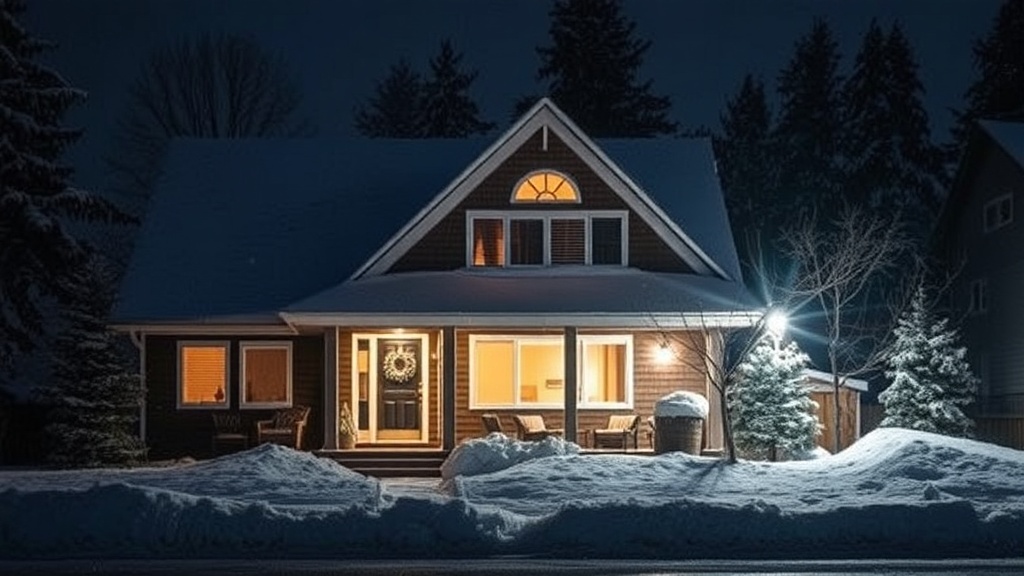
How to Prepare Your Port Alberni Home for Winter Storms and Power Outages

Most people think winter preparation means buying a snow shovel and calling it done. But here in Port Alberni, our winters are a different beast altogether—one that brings horizontal rain, wind gusts off Alberni Inlet that rattle windows, and the occasional surprise snowfall that turns our hilly streets into skating rinks. Getting your home ready isn't about aesthetics; it's about keeping your family safe when the power flickers out during a December storm and the roads up to Cathedral Grove become impassable.
What Supplies Should Every Port Alberni Household Stock Before November?
Our coastal location means we're vulnerable to atmospheric rivers that can knock out power for hours—or days. The City of Port Alberni recommends keeping a 72-hour emergency kit, but we'd argue that's the bare minimum given our geographic isolation.
Start with water—four litres per person per day. When the Sproat Lake reservoir system faces turbidity issues during heavy rains, municipal water can become compromised. Store water in clean containers and refresh it every six months. Next, think about warmth. Electric heat pumps are wonderful until the grid fails. If you don't have a wood stove (and many newer homes on Third Avenue and throughout North Port don't), invest in a propane heater rated for indoor use and keep extra canisters on the porch—not in the house.
Food is obvious, but think beyond canned beans. When the roads close and you can't get to Quality Foods or Save-On-Foods on Johnston Road, you'll want comfort items too. Stock peanut butter, crackers, instant coffee, and those terrible packaged cookies that somehow taste perfect when the wind is howling outside. Don't forget pet food—our furry family members get hungry too.
Flashlights are essential, but headlamps are better. They keep your hands free for carrying water containers or navigating dark hallways. Buy lithium batteries; they last longer in our damp climate and won't leak inside your devices. A battery-powered or hand-crank radio tuned to 93.3 Peak FM keeps you connected to local emergency broadcasts when cell towers strain under demand.
How Do You Protect Your Property from Port Alberni's Unique Winter Challenges?
Our rainfall—averaging over 2,000 millimetres annually—isn't just impressive; it's destructive. Gutters on Alberni Valley homes work harder than anywhere else on Vancouver Island. Clean them in late October, after the leaves drop from the bigleaf maples that line streets like Argyle and Redford. Clogged gutters overflow, saturating fascia boards and creating ice dams during those rare cold snaps.
Check your roof's integrity now, not during the first November storm. Look for missing shingles, cracked flashing around chimneys, and any sagging that suggests structural weakness. The weight of wet snow—when we get it—can stress compromised roofs. Local contractors book up fast once storms hit, so schedule inspections before the rush.
Drainage around your foundation matters enormously here. Port Alberni's clay-heavy soil doesn't absorb water quickly. If your downspouts dump water right against your house, you're inviting moisture into your basement or crawl space. Extend them at least six feet away, and consider French drains if you live in lower-lying neighbourhoods like the ones near Kitsuksis Creek.
Tree maintenance isn't optional—it's survival. Those towering Douglas firs and cedars that give Port Alberni its character become liabilities when saturated ground meets high winds. Hire an arborist (there are several excellent ones working throughout the Alberni Valley) to assess trees within falling distance of your home. Removing hazardous limbs in October costs hundreds; removing them from your living room in January costs thousands.
What's the Best Way to Stay Informed During Winter Emergencies in Port Alberni?
Information is your lifeline when storms isolate our community. Sign up for the Alberni Valley Emergency Notification System—it sends alerts to your phone about road closures, evacuation orders, and utility disruptions. Don't rely solely on social media; algorithms are fickle, and Facebook doesn't know you need to know about the washout on Highway 4.
Follow the Alberni-Clayoquot Regional District's emergency management social accounts for broader regional updates. They're particularly good about posting photos of problem areas, so you can see whether that tree is blocking the highway before you leave your driveway.
Know your neighbours—especially elderly residents or those with mobility challenges on your block. Exchange phone numbers and check in during storms. The Port Alberni Friendship Centre often coordinates community wellness checks during extended outages, but grassroots neighbour-to-neighbour support happens faster.
Keep a paper list of important numbers: BC Hydro's outage line (1-800-BCHYDRO), your insurance company, your pharmacy, your employer. Cell phones die; paper doesn't. Know the locations of emergency shelters—the Alberni Valley Rescue Squad building and local community centres sometimes open warming stations during extended outages.
How Can Port Alberni Residents Prepare Vehicles for Winter Conditions?
Our roads are unforgiving. Highway 4's twists through Sutton Pass can become treacherous with little warning, and even city streets like Third Avenue and Tebo Avenue ice over where shade keeps the morning sun from reaching the pavement. Winter tires aren't just a good idea—they're necessary, and legally required on certain routes between October 1 and April 30.
Don't cheap out on tires. All-seasons harden in cold temperatures and lose grip. True winter tires with the mountain/snowflake symbol are formulated for our wet, cold conditions. Check tread depth with a quarter—insert it into the groove; if you can see the top of the caribou's head, replace the tires.
Build a vehicle emergency kit: blankets, waterproof matches, a candle in a metal tin (burning for ten minutes raises interior temperature significantly), granola bars, a first aid kit, and a shovel. If you slide into a ditch on a remote stretch of Bamfield Road or up towards Great Central Lake, you might wait hours for help. Stay with your vehicle—it's far easier for searchers to spot than a person wandering in the forest.
Keep your gas tank above half full. Condensation forms in empty tanks and freezes in fuel lines. Carry traction aids—sand, cat litter, or those flat cardboard traction mats—especially if you live on one of our many unforgiving hills. And know this: four-wheel drive helps you go; it doesn't help you stop.
Special Considerations for Port Alberni's Older Housing Stock
Many of us live in homes built during the forest industry's boom years—charming character houses with single-pane windows and minimal insulation. If you can't afford new windows, apply plastic film kits from the hardware store; they cut heat loss dramatically. Weatherstripping around doors is cheap and takes an afternoon to install. Check the City's website for energy rebate programs that can offset upgrade costs.
Older plumbing is vulnerable to freezing. Insulate pipes in unheated crawl spaces, and during extreme cold snaps, let faucets drip slightly. The moving water resists freezing. Know where your main water shutoff is—usually in the basement or near the front foundation wall—and ensure everyone in your household can operate it. A burst pipe can flood a home in minutes.
Heating systems need annual service. Furnaces, heat pumps, and wood stoves all require professional attention to operate safely. Carbon monoxide detectors are non-negotiable—install them on every level and test them monthly. Our tightly sealed winter homes trap combustion gases, and CO is odourless, colourless, and deadly.