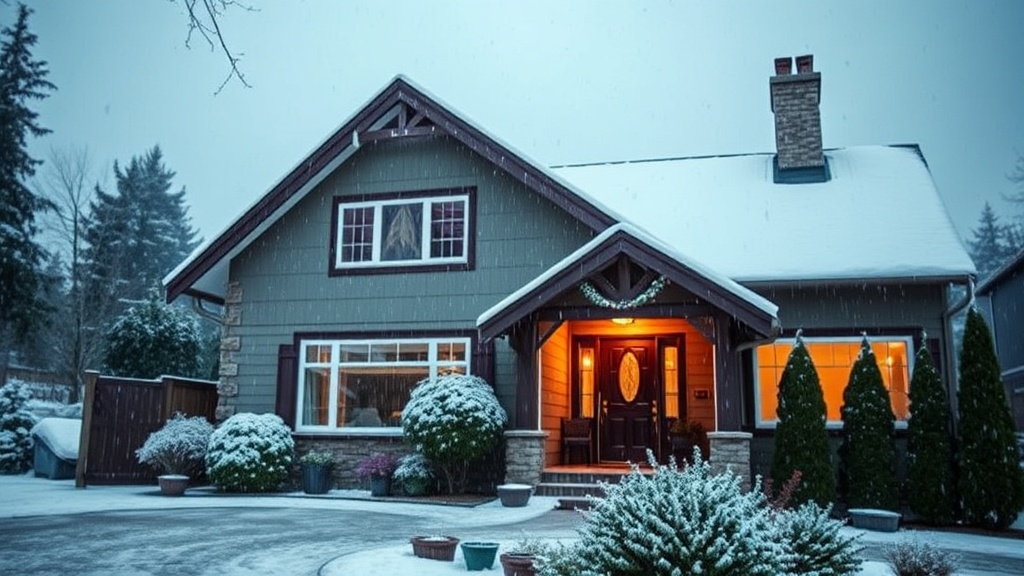
Safeguarding Your Port Alberni Home Against Winter's Chill and Wet

Safeguarding Your Port Alberni Home Against Winter's Chill and Wet
As the days shorten and the crisp air carries the scent of damp leaves, many Port Alberni residents find themselves thinking about the shift from autumn’s mild embrace to winter’s more demanding temperament. One year, an unexpected cold snap in late October caught some off guard, leading to burst pipes and drafty rooms long before December even arrived. This guide covers the practical, actionable steps you can take now to prepare your home, ensuring it remains a warm, dry, and safe sanctuary throughout the Alberni Valley’s unique winter — a season often characterized by persistent rain, strong winds, and the occasional, surprisingly heavy snowfall. We’ll look at key preventative measures that can save you discomfort, damage, and unexpected repair costs when the weather turns.
Preparing your home for winter isn't just about cranking up the heat; it's about a series of thoughtful adjustments that protect your investment and maintain your comfort. From preventing water damage to optimizing energy use, a proactive approach makes all the difference. Many of these tasks are straightforward, requiring only a few hours of your time or the assistance of a local professional. Consider this your practical checklist for weathering the season with confidence.
What immediate tasks should you tackle before the cold truly sets in?
Before the first frost warning or the relentless November rains begin, a few quick checks and minor adjustments can prevent larger headaches. Start with your home's exterior envelope—it’s your first line of defense. Spend some time clearing gutters and downspouts. Blocked gutters can lead to water overflowing and seeping into your foundation, causing extensive and costly damage over time. Remove leaves, twigs, and any other debris that has accumulated since spring. While you’re up there, check for any loose shingles or damaged flashing on your roof. Even a small crack can allow moisture to penetrate, leading to leaks and mold issues inside your attic or walls.
Next, turn your attention to windows and doors. Even a tiny gap around a window frame or under an exterior door can let in a surprising amount of cold air and allow warm air to escape, driving up your heating bills. Check weather stripping and caulking around all windows and doors. If you feel a draft, it’s time to replace or augment these seals. Foam tape, silicone caulk, or even simple draft stoppers can make a significant impact on your home's energy efficiency. Don’t forget less obvious culprits like pet doors or mail slots—these can be sources of drafts too. For windows that are particularly drafty or single-paned, consider temporary window insulation kits; they're easy to install and create an insulating air pocket.
Finally, inspect your exterior faucets and sprinkler systems. These are prime candidates for freezing if not properly addressed. Disconnect all garden hoses and drain them thoroughly. If your outdoor faucets aren't frost-free, you'll need to shut off their water supply from inside your home (usually a valve in your basement or crawl space) and then open the faucet to drain any remaining water. Failing to do this can cause pipes to freeze and burst, leading to major plumbing emergencies once temperatures dip below zero. For sprinkler systems, consult your user manual or a professional to ensure it’s fully drained and winterized.
How can you shield your home’s systems from freezing temperatures and heavy rain?
Protecting your home's internal systems, particularly plumbing and heating, is paramount for an comfortable and incident-free winter. The persistent damp and cold of the Alberni Valley can test even well-maintained infrastructure. First and foremost, address your heating system. Schedule a professional inspection for your furnace or heat pump. A technician can clean components, check for efficiency, and identify potential issues before they become breakdowns on the coldest day of the year. This annual maintenance is a small investment that can prevent costly repairs and ensures your system runs effectively and safely. Changing furnace filters monthly during peak heating season also improves air quality and system performance.
Water pipes, especially those in unheated areas like crawl spaces, garages, or exterior walls, are vulnerable to freezing. Insulate any exposed pipes with foam pipe covers, readily available at most hardware stores. For pipes in colder areas, consider adding heat tape, which provides a gentle warmth to prevent freezing. If you're going away for an extended period during winter, keep your thermostat set to at least 10-12°C (50-54°F) to prevent pipes from freezing, even if you’ve drained your outdoor lines. A small continuous flow from an internal faucet during extreme cold snaps can also help prevent freezing by keeping water moving—though this is a measure of last resort if insulation isn’t sufficient.
Beyond pipes, consider your electrical systems. Heavy winter storms can sometimes lead to power outages. While it’s not always feasible to install a whole-house generator, ensuring you have flashlights, extra batteries, and perhaps a battery bank for charging devices is a sensible precaution. If you have an outdoor generator, make sure it’s serviced and ready for use. Also, be mindful of space heater safety; never leave them unattended, and keep them away from flammable materials. For more comprehensive tips on energy savings and emergency preparedness, BC Hydro offers excellent resources on their website regarding winter power outages and conservation (