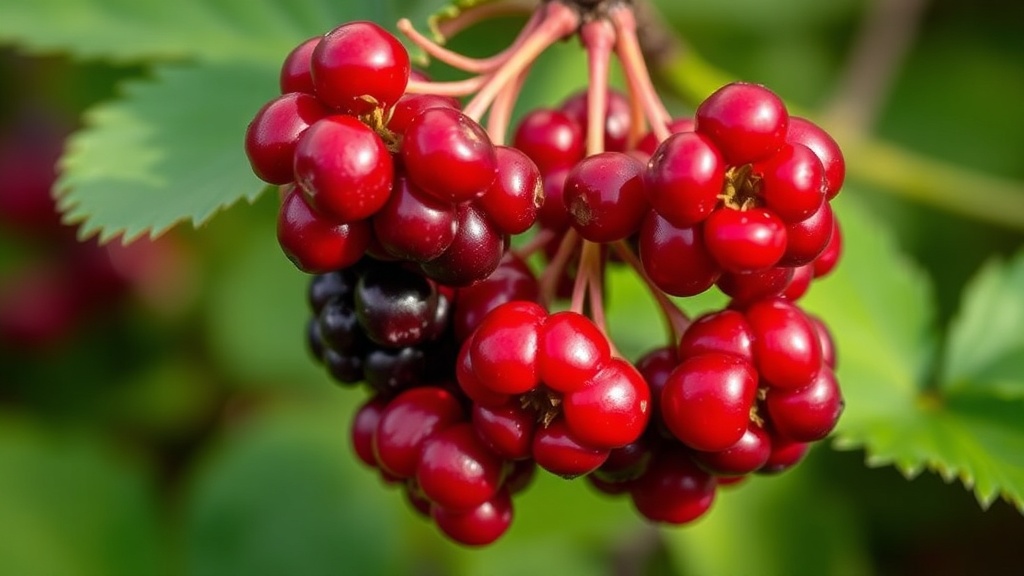
Finding the Best Wild Berry Patches Near Port Alberni

In a single acre of fertile ground in the Alberni Valley, you can find more than 50 different species of edible berries and plants. This post provides the specific locations, seasonal timing, and legal rules for harvesting wild berries around Port Alberni, British Columbia. You'll find out exactly where to look for salmonberries, huckleberries, and blueberries, and what you need to bring to ensure you don't end up with a mouth full of nothing but seeds and disappointment.
Where Can You Find Wild Blueberries Near Port Alberni?
Wild blueberries and huckleberries are most commonly found in the higher elevations and clearings along the trails of the Stamper Creek area and the outskirts of the Alberni Valley.
If you head toward the hiking trails near the McLean River area, you'll notice the change in vegetation. The berries here are smaller than the store-bought kind you'd find at a local grocery store, but the flavor is intense. They're much more concentrated in sugar and acid.
Look for these specific signs to find a good patch:
- Sunlight exposure: Berries love edges. Look for clearings in the forest or areas where a tree has fallen.
- Soil type: Look for sandy or rocky patches. If the ground is too thick with moss, the berries might struggle.
- Elevation: For the best huckleberries, you'll want to climb. The higher you go, the more likely you are to find the truly wild varieties.
One thing to remember—don't just walk blindly through the brush. You'll tear your clothes or, worse, scratch your legs on devil's club. It's a painful mistake I've made more than once. Always keep an eye on where you step.
If you're planning a longer trek into the bush, you might want to check out my previous guide on how to catch Chinook Salmon in Port Alberni. Much like fishing, berry picking requires patience and a bit of local knowledge to truly succeed.
What Are the Best Wild Berries to Pick in British Columbia?
The most common edible berries you'll encounter in our region are salmonberries, thimbleberries, blueberries, huckleberries, and blackberries.
| Berry Type | Appearance | Peak Season | Best Location |
|---|---|---|---|
| Salmonberry | Large, orange-red, bumpy | June - July | Low, damp areas/riverbanks |
| Thimbleberry | Soft, fuzzy leaves, red fruit | July - August | Sunny forest edges |
| Huckleberry | Small, dark purple/black | August - September | High elevation/mountains |
| Wild Blueberry | Small, blue, waxy coating | Late July - August | Lowland clearings |
Salmonberries are the first sign that summer has arrived. They look a bit like raspberries but are much larger and have a distinct orange tint. They are incredibly juicy—sometimes a little too juicy if you're carrying them in a loose bag.
Thimbleberries are another local favorite. They have a much softer texture than a standard raspberry. If you see a plant with large, soft, velvety leaves, you've found the source. The fruit is delicious, but it's fragile. If you're too rough, you'll end up with a bag of red mush by the time you get back to your truck.
Make sure you know the difference between a huckleberry and a more toxic look-alike. While most "blue" berries in our area are safe, it's always wise to consult a botany resource or a field guide before eating anything you didn't identify yourself. It's not worth the risk.
What Are the Rules for Picking Wild Berries in BC?
In British Columbia, you can generally pick berries for personal use on Crown land, but there are strict limits on commercial harvesting and certain protected areas.
For the casual picker, there's no "permit" required to grab a handful of berries for your breakfast. However, you're not allowed to pick berries on private property without the owner's permission. Most of the mountain trails around Port Alberni are managed by the province or local forestry groups, so personal use is fine. If you're planning to sell what you pick—say, at a local farmer's market—you'll need to follow much stricter commercial harvesting regulations set by the Government of British Columbia.
Here's the thing: wayfinding is part of the "rule" of the woods. Respect the land. Don't trample sensitive areas just to reach one single bush.
- Stay on marked trails: This protects the habitat and keeps you from getting lost.
- Leave some for the wildlife: Bears and birds need these berries too. If you strip a patch bare, you're disrupting the local ecosystem.
- Pack out what you pack in: If you bring a snack or a water bottle, make sure the trash doesn't end up in the forest.
A lot of people forget that berries are a primary food source for grizzly and black bears, especially in the fall. If you're out picking in the high country, you're essentially walking into their pantry. I always carry a canister of Bear Spray and a sturdy-looking walking stick. It's better to have it and not need it than the alternative.
If you're out in the bush and find yourself getting hungry, you might be tempted to grab a quick snack. But if you're not 100% sure about a plant, leave it alone. There are plenty of safe bets, but one mistake can change your whole week.
Don't forget your gear. A good pair of boots is a must. You'll be walking on uneven, often slippery terrain. I personally swear by my Salomon hiking boots—they've saved my ankles more than once on the rocky slopes near the Stamper Creek area. A lightweight mesh bag is also a huge help; it allows the berries to breathe and prevents them from overheating in the sun.
The weather in the Valley can change in a heartbeat. One minute it's sunny and perfect for picking, and the next, a thick fog rolls in from the Pacific. Always check the local forecast before heading into the higher elevations. It's not just about the berries; it's about getting back to your vehicle in one piece.
If you're looking for a place to refuel after a long day of picking, you might enjoy exploring the best coffee spots in downtown Port Alberni. There's nothing quite like a hot cup of coffee after a morning spent in the damp, cool forest air.
Steps
- 1
Identify your berry type
- 2
Check the sun exposure
- 3
Verify safety and ripeness
- 4
Harvest sustainably